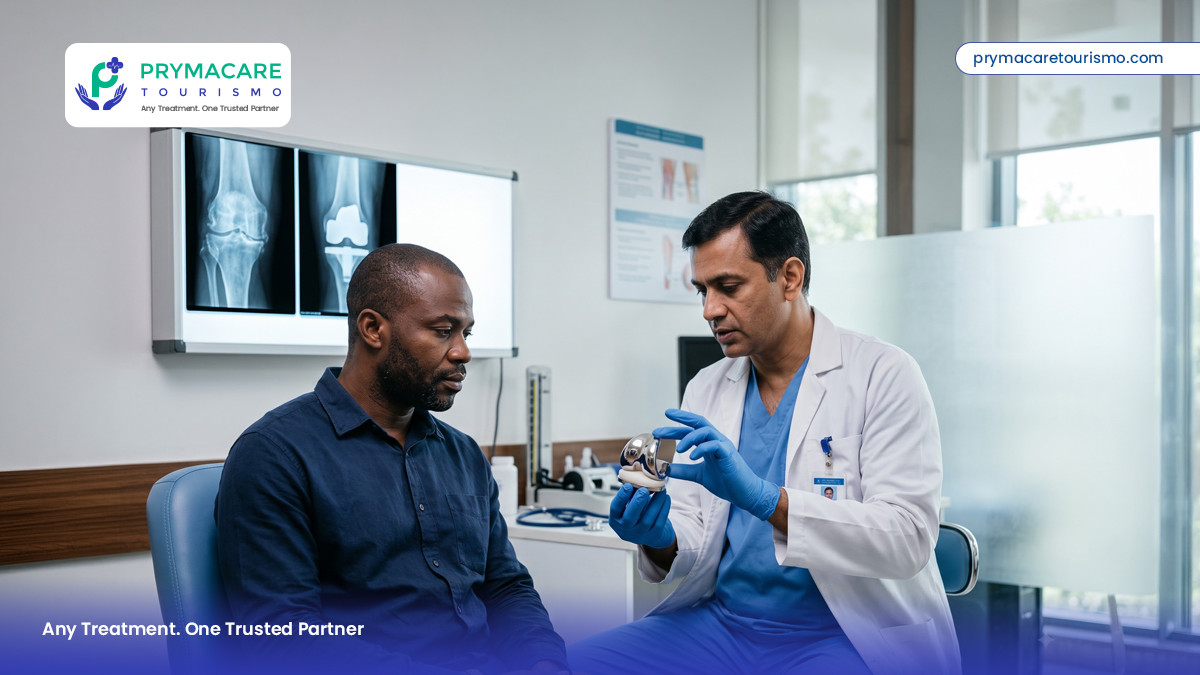
India is increasingly becoming a destination for patients seeking joint replacement care. According to Future Market Insights, the global joint replacement market is expected to grow from USD 23.5 billion in 2025 to USD 37.3 billion by 2035, while India is projected to record the fastest country-level growth in the market, at a 4.5% CAGR through 2035, as access to joint replacement procedures continues to expand. For patients considering joint replacement surgery in India, the appeal goes beyond cost. Access to experienced orthopaedic specialists, accredited hospitals, modern surgical techniques, and structured rehabilitation can make India a practical option for patients seeking treatment abroad. The cost of joint replacement is also comparatively lower, partly because the prices of internationally manufactured artificial joints are regulated by the government, helping keep overall treatment costs lower.
Read the complete blog to explore everything you need to know about Joint replacement treatment in India and make a more informed decision about your treatment journey.
What Is Joint Replacement Surgery?
Joint replacement surgery, also called arthroplasty, is a procedure in which a damaged or severely worn joint is replaced, in part or in full, with an artificial implant. The goal is generally to reduce pain and improve joint function and mobility when other treatment options have not provided sufficient relief. The procedure is most commonly performed on the hip and knee, but surgeons may also perform it on other joints when clinically appropriate.
Types of Joint Replacement Procedures Available in India
Joint replacement is not a one-size-fits-all procedure. The right approach depends on the joint affected, the extent of damage, your age, activity level, and your surgeon’s assessment. Patients considering joint replacement procedures, including hip and knee replacement surgery in India, may have access to several surgical options, including:
- Total Hip Replacement: The damaged parts of the hip joint are replaced with an artificial ball-and-socket system. It is commonly considered when arthritis or significant joint damage affects everyday movement.
- Partial Hip Replacement: Only the damaged part of the hip is replaced, while the remaining healthy joint structures are preserved where appropriate.
- Total Knee Replacement: The worn surfaces of the knee joint are replaced with artificial components to restore stability and improve mobility.
- Partial Knee Replacement: When damage is limited to one section of the knee, a partial replacement may allow the surgeon to preserve the unaffected portions of the joint.
- Shoulder Replacement: Damaged surfaces of the shoulder joint can be replaced to address severe arthritis, fractures, or other conditions affecting shoulder function.
- Revision Joint Replacement: When a previous implant becomes worn, loose, damaged, or otherwise problematic, revision surgery may be required to replace or repair the existing joint components.
For international patients, understanding these options beforehand can also make it easier to compare treatment plans and discuss the most suitable approach with your chosen hospital.
Technology Behind Faster Recovery
A successful joint replacement depends on more than technology. Factors such as overall health, joint damage, surgical technique, pain management, physiotherapy, and following the rehabilitation plan all influence recovery. However, the right surgical technologies and techniques can support precise planning and minimise tissue disruption in suitable patients.
Robotic-Assisted Joint Replacement:
Robotic joint replacement surgery in India uses computer-based planning and robotic assistance to help surgeons perform specific parts of the procedure with greater precision. The technology supports the surgeon rather than replacing their expertise. It may assist with preoperative planning, joint alignment, implant positioning, and surgical accuracy.
Minimally Invasive Joint Replacement:
It uses surgical approaches designed to reduce disruption to surrounding muscles and soft tissues. For suitable patients, less tissue disruption may help reduce postoperative discomfort and support earlier mobilisation. However, the approach depends on the joint, the patient's condition, and the surgeon's recommendation.
Implant Selection:
The choice of implant depends on factors such as the joint being treated, anatomy, age, activity level, bone quality, and the surgeon's assessment. International patients should discuss why a particular implant is recommended rather than choosing one based solely on brand or technology.
What Recovery Looks Like: A Realistic Timeline
Patients often search for joint replacement recovery time in India, but recovery varies based on the joint treated, surgical approach, overall health, age, and rehabilitation.
First 24-48 Hours: Early Mobility
Many patients begin physiotherapy soon after surgery, focusing on safe movement, basic exercises, pain management, and preventing complications.
Week 1-2: Gradual Progress
Patients typically continue prescribed exercises and gradually increase mobility. Swelling and discomfort may still be present, and walking aids may be recommended.
Week 4-6: Returning to Activity
Mobility and strength generally improve with continued physiotherapy. Many patients can gradually resume everyday activities, depending on their individual recovery. Physiotherapy can be continued at the guest house of the patient also.
Longer-Term Recovery
Recovery continues for several months as strength, flexibility, and joint function improve. Patients should follow their surgeon's personalised rehabilitation plan and complete any recommended follow-up before travelling home.
Joint Replacement Treatment in India with PrymaCare Tourismo
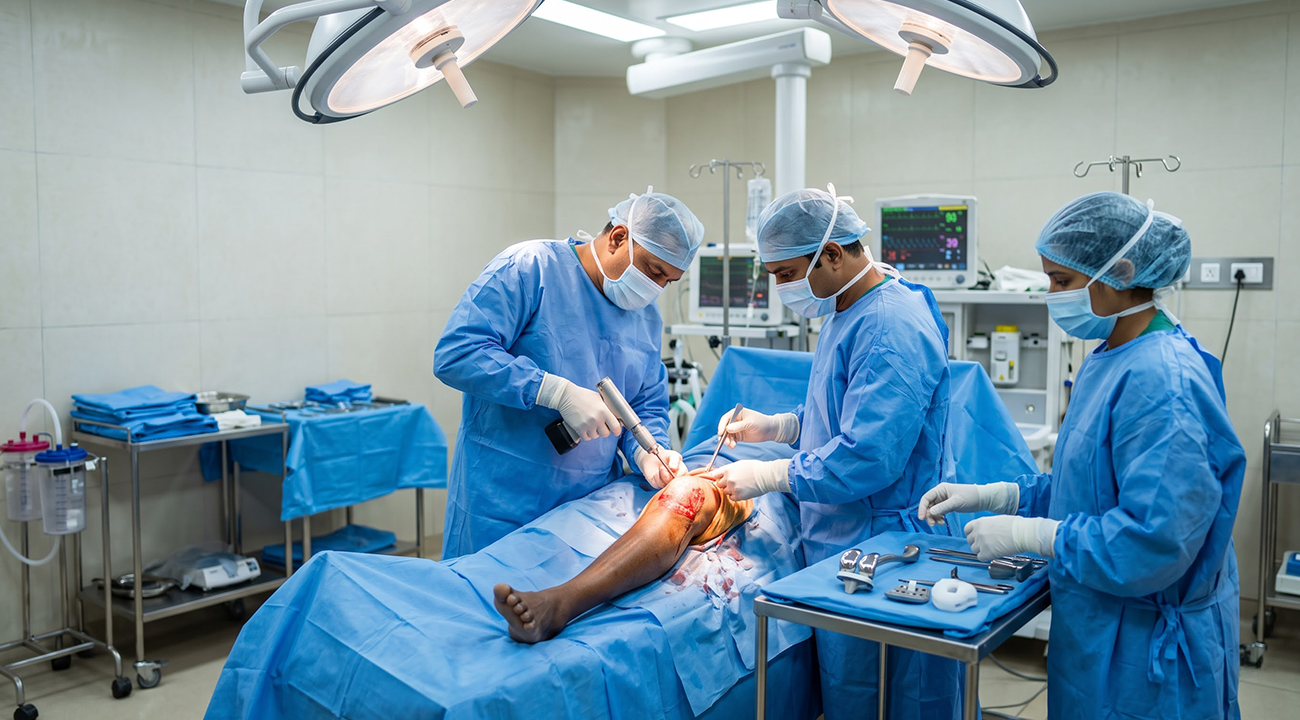
For international patients, choosing the right hospital and specialist is an important part of planning the orthopaedic treatment. PrymaCare connects patients with the best hospitals for joint replacement in India, including Apollo Hospitals, BLK-Max Super Speciality Hospital, and RBH Hospital. Further, the medical tourism company can help patients obtain multiple treatment quotations on the respective hospital's official letterhead, allowing them to compare their options before making a decision. Its services are provided free of cost to patients, with support throughout the treatment journey, including hospital coordination, appointment assistance, travel support, accommodation arrangements, and other practical assistance required during their stay in India.
Final Thoughts
Joint replacement surgery can help relieve persistent joint pain and improve mobility when conservative treatments are no longer sufficient. India offers patients access to different joint replacement procedures, surgical approaches, and orthopaedic specialists, making it an option worth considering for international patients. If you are considering joint replacement surgery in India, PrymaCare Tourismo can help you explore suitable hospitals and specialists, compare treatment quotations, and coordinate the practical aspects of your treatment journey. With the right medical guidance and a personalised rehabilitation plan, patients can make more informed decisions about their joint replacement care.
Talk to our medical coordinator today to explore suitable hospitals, specialists, and treatment options for your joint replacement.
Frequently Asked Questions
Recovery varies depending on the joint replaced, surgical technique, overall health, rehabilitation, and whether the surgery is primary or revision. Some patients resume many routine activities within several weeks, while strength and full functional recovery can continue for several months.
Robotic assistance can provide detailed preoperative planning and support implant positioning and alignment during selected joint replacement procedures. However, it is not automatically better for every patient. The appropriate surgical technique depends on the patient's condition, anatomy, surgeon's assessment, and availability of the technology.
The cost of orthopaedic treatment in India for international patients varies depending on the joint being treated, type of procedure, hospital, implant, surgical technique, and other treatment requirements. An exact estimate is provided after reviewing the patient's medical condition and treatment plan. The cost of orthopedic joint replacement in India is much lower than in most countries because the prices of internationally manufactured artificial joints are regulated by the government, helping keep overall treatment costs lower.
No surgery can be guaranteed to be 100% successful. However, knee replacement generally has good outcomes, with many patients experiencing improved pain, mobility, and quality of life. Results can vary based on the patient's health, joint condition, surgical approach, and rehabilitation.