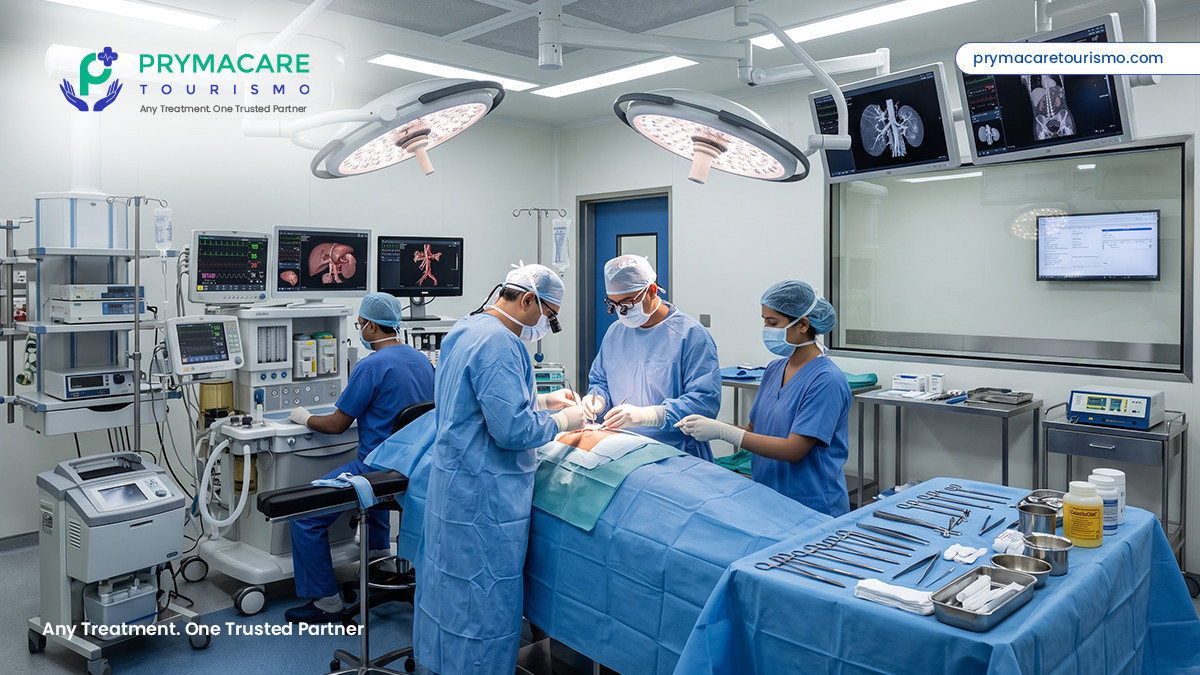
Organ transplantation is a life-changing procedure, but the challenges associated with the surgery extend beyond finding a skilled surgeon. It involves comparing transplant programs, gathering medical records, meeting eligibility requirements, arranging international travel, obtaining a medical visa, and ensuring every step is carefully coordinated. For patients who need a liver and kidney transplant in India, managing these complexities from another country can delay decisions when the time is crucial.
Whether you are from Africa, the Middle East, or any other part of the world, this blog will help you understand how to access stress-free organ transplant surgery in India.
Why Patients Choose India for Liver and Kidney Transplants
India performed a record 18,900 organ transplants in 2024, becoming the third-largest country globally in organ transplants. One of the major reasons international patients choose India is affordability. Compared to other countries, liver and kidney transplant procedures can cost up to 80% less in India with internationally recognized healthcare facilities. Another important factor is the availability of internationally accredited hospitals. Many transplant centers in India hold JCI and NABH accreditation. India's leading transplant hospitals are equipped with multidisciplinary teams that include transplant surgeons, hepatologists, anesthesiologists, critical care specialists, radiologists, transplant coordinators, nutritionists, and rehabilitation professionals. Patients also benefit from shorter waiting periods in many cases and access to comprehensive support services designed specifically for international visitors. Together, these factors offer reassurance to international patients when selecting a hospital in India.
Liver Transplant in India: Overview
Liver transplant in India is considered for patients whose liver has been severely damaged and can no longer perform its essential functions effectively. Through this procedure, the diseased liver is replaced with a healthy liver or a portion of a healthy liver from a suitable donor. The liver transplant process involves several steps, including medical assessment, donor evaluation (where applicable), surgical planning, hospitalization, recovery, and long-term follow-up. Patients who may be evaluated for a liver transplant include those with end-stage liver disease, liver cirrhosis, acute liver failure, certain cases of hepatocellular carcinoma (HCC), depending on clinical eligibility, and other irreversible liver disorders assessed by transplant specialists. The two major types of liver transplants available in India for international patients are Living Donor Liver Transplantation (LDLT) and Deceased Donor (Cadaveric) Liver Transplantation (DDLT).
Living Donor Liver Transplant in India
A living donor liver transplant in India involves transplanting a portion of a healthy person's liver into the recipient. Because the liver has the unique ability to regenerate, both the donated portion and the remaining liver can gradually grow to meet the body's needs over time.
Kidney replacement surgery in India: Overview
A kidney transplant is considered for patients with end-stage renal disease (ESRD), where the kidneys can no longer effectively remove waste and excess fluids from the body. The transplant process typically includes comprehensive medical investigations, donor compatibility assessments where applicable, pre-transplant counseling, surgery, hospitalization, recovery, and regular follow-up care. India's established transplant centers bring together nephrologists, transplant surgeons, immunologists, anesthesiologists, critical care specialists, and transplant coordinators to provide coordinated care throughout the patient's journey.
Living Donor Kidney Transplant in India
Since a healthy person can live with one functioning kidney, living donation is a widely accepted option when the donor is medically suitable and meets all legal requirements. The donor is an immediate family member such as a parent, sibling, spouse, or adult child. Both the donor and recipient undergo detailed medical evaluations, compatibility testing, and legal verification before the transplant can proceed. Documents such as affidavits, proof of relationship, and other supporting documents establishing that the donor is a relative of the patient must be obtained from the patient's home country.
Combined Liver-Kidney Transplant in India

For some patients, doctors recommend the transplant of both the kidney and liver. This approach is typically considered only after extensive medical evaluation by specialists from multiple disciplines. Factors such as the patient's overall health, the underlying cause of organ failure, transplant eligibility, and donor availability all play an important role in determining whether a combined transplant is appropriate. India has the best hospitals with experienced multidisciplinary teams capable of performing combined liver-kidney transplants.
Liver and Kidney Transplant Cost in India vs Other Countries
While the cost varies by country, the total treatment cost in India is comparatively lower.
| Procedure | India | UAE | Kenya | USA | Turkey | Thailand |
| Kidney transplant Living donor (related) | $13K–24K | from ~$30K | $18.5K–20K | $442.5K–446.8K | Starting from $25K | not reliably published |
| Liver transplant - Living donor (LDLT) | $25K–40K | $90K–300K | $38K | $550K–878.4K | $45K–60K | $50K–120K |
However, the cost in India depends on several factors, including the hospital and city chosen, complexity of the patient's medical condition, length of hospital stay and intensive care requirements, post-transplant medications, and follow-up care.
Hospitals in India with Liver and Kidney Transplant
Choosing a transplant hospital involves more than comparing treatment costs. International patients should evaluate the hospital's transplant experience and the availability of dedicated international patient services. Accreditation, such as JCI and NABH, is an added indicator that the hospital follows recognized quality and patient safety standards. Some of the top hospitals in India with expertise in organ transplant are Medanta (Gurugram), Apollo (Mumbai), Fortis Flt Lt Rajan Dhall (New Delhi), Artemis Hospital (Gurugram), Max Healthcare, Saket (New Delhi), CMRI (Kolkata), and Amrita Hospital (Delhi).
The PrymaCare Tourismo Patient Journey
Planning an organ transplant abroad involves much more than choosing a hospital. International patients often need guidance with documentation, travel arrangements, accommodation, and ongoing coordination. Trusted by thousands of African patients and their families, PrymaCare Tourismo, one of the best medical tourism companies in India, simplifies this process by acting as a single point of contact, helping patients navigate every stage of their medical journey. Here's what patients can expect when they choose PrymaCare:
- Share your medical reports and receive preliminary opinions from suitable transplant specialists.
- Get multiple treatment plans and quotations from leading hospitals in India on their official letterheads.
- Receive end-to-end assistance with medical visas, travel, and accommodation, along with a complete checklist of documents required from your home country for both the patient and the donor.
- Access end-to-end treatment coordination, from hospital admissions to appointments and language support in your local language.
- Get assistance with post-treatment travel planning for a smooth return home after discharge.
- Stay connected with your treating hospital through coordinated follow-up support after you return to your home country.
Every step of this support is offered with zero commission and no hidden charges, giving patients and their families complete transparency and peace of mind.
Final Thoughts
Choosing a liver and kidney transplant in India involves much more than deciding to undergo the procedure. It also involves finding the right medical travel guidance to navigate medical evaluations, travel and accommodation arrangements, and hospital selection with confidence. With transparent processes and a patient-first approach, the experienced team at PrymaCare helps make complex medical travel more organized and less stressful. With a well-coordinated approach by the right team, international patients can navigate the transplant process more smoothly and focus on their treatment and recovery.
Looking for the right transplant hospital in India? Talk to our medical coordinator and get expert guidance.
