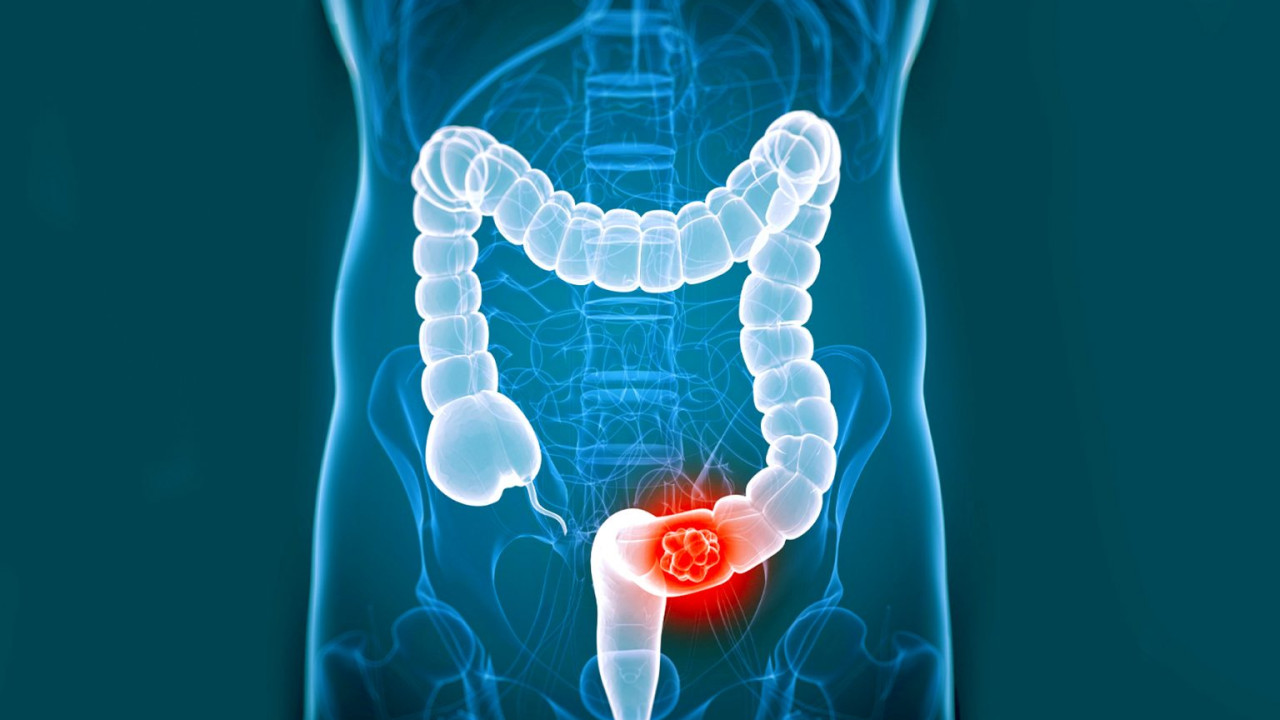
Colon or colorectal cancer begins in the polyps of the colon and rectum, making the polyps cancerous. These cancerous polyps can spread to other parts of the body from the inner lining of the colon. Healthcare providers can perform colonoscopies to help detect if your colon polyps are cancerous or not. Although colon cancer is a serious condition, removing the precancerous polyps can aid in stopping colon cancer before it starts. Early diagnosis and treatment to remove the cancerous polyps may help in curing the disease.
Causes of colon cancer
According to experts, colon cancer develops slowly and can take approximately a decade for the precancerous polyps to develop into cancerous ones and present symptoms. Some of the symptoms of colon cancer may include:
1. Abdominal pain
2. Bloated stomach
3. Blood in the stool
4. Unexplained weight loss
Colon cancer can develop due to genetic mutations that turn healthy colon cells into cancerous ones. These then develop and multiply to make cancerous colon polyps.
In time, the cancer cells can break through the colon wall and begin to spread outside the colon. Some of the most common factors behind colon cancer include:
1. Having many colon polyps: Experts suggest that having too many colon polyps can lead to a greater chance of the polyps becoming cancerous.
2. Family history: The incidence of colon cancer is higher among people who have a history of colon cancer or large colon polyps. According to experts, a person may be at a higher risk of contracting colon cancer if a biological family member develops the disease before turning 45.
3. Inherited conditions: Conditions such as Lynch syndrome and familial adenomatous polyposis may lead to colon cancer.
Treatment of colon/colorectal cancer
While surgery is the most common treatment for colon cancer that has not yet spread, the different procedures include:
1. Polypectomy: This intervention aids in removing precancerous or cancerous polyps in your colon.
2. Colectomy is a procedure in which surgeons remove the cancerous sections of the colon.
In addition, a patient may also undergo treatments before or after the surgery, including chemotherapy, radiation therapy and targeted therapy.
Radiation therapy
It is possible to receive radiation therapy as a standalone treatment for colon cancer or as a combination of other treatments. Radiation can also provide relief from symptoms of colon cancer. In this regard, there are two types of radiation therapy a healthcare provider can recommend:
1. Brachytherapy involves placing radioactive seeds inside the colon to kill cancer cells/polyps while preserving the surrounding healthy tissues.
2. External beam radiation therapy, or EBRT, is a machine that delivers X-rays to the tumour level. Advanced types of EBRT, such as IMRT, can target the cancer cells while preserving healthy tissues.
Systemic therapies
If the cancer cells spread outside the colon, your oncologist may recommend systemic treatments that travel throughout the body to destroy or stop the growth of cancer cells. There are two types of major systemic therapies for colon cancer:
1. Chemotherapy utilises drugs to kill cancer cells in the body. Patients may receive chemotherapy to stop the spread of cancer cells beyond the colon.
2. Targeted therapy focuses on the genetic mutations that cause cancer. They work best for tumours with BRCA mutations.
Conclusion
India's advancements in oncology have positioned it as a leading destination for cancer treatment. Its expertise in robotic-assisted surgery, high-precision radiation therapy, stem cell transplantation, targeted therapy, immunotherapy, and paediatric oncology treatments indicates its commitment to fighting cancer and providing patients with the best possible care. With a strong focus on multidisciplinary approaches, advanced technology, and personalised treatment plans, India continues to offer hope to cancer patients seeking specialised and challenging procedures in their fight against colon cancer.