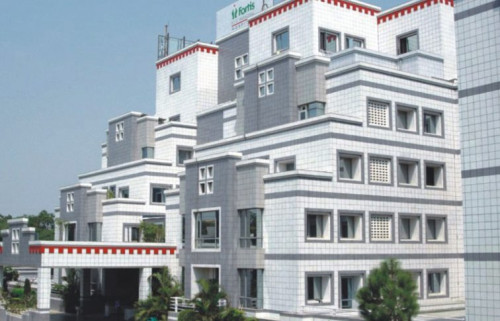
India is a leading destination for Medical tourism and especially for cardiology, given its vast network of multi-speciality hospitals, internationally trained doctors and surgeons and the experience the doctors have gained basis its vast population. India provides advanced treatment for heart diseases such as coronary artery disease, heart valve disease, arrhythmia, paediatric congenital heart defects, heart failure, cardiomyopathy, and ischemic heart disease.
Indian hospitals have the latest equipment including robotic arms, to ensure that it remains a leading destination for cardiac surgery across the world. It is a preferred destination for cardiac surgery, minimally invasive heart surgery, bypass surgery, angioplasty, heart valve replacement, and transcatheter cardiac procedures.
With advancements in CABG, PCI, TAVR, electrophysiological studies, and paediatric congenital heart surgeries, India offers patients cutting-edge treatments, personalised care, for better health. Techniques like minimally invasive cardiac surgeries and robotic-assisted surgeries are also being performed in Indian hospitals.
Coronary Artery Bypass Grafting
Packages starting from
$5,000
Transcatheter Aortic Valve Implantation/Replacement
Packages starting from
$33,000
Transcatheter Mitral Valve Implantation/Replacement
Packages starting from
$22000
Pacemaker Surgery
Packages starting from
$4000
Paediatric Heart Surgery
Packages starting from
$5,000
Percutaneous Coronary Interventions (PCI)
Packages starting from
$2500
Electrophysiological Studies and Ablation
Packages starting from
$2,500
Treatments Detail
➡️ Coronary Artery Diseases: Coronary artery disease is a condition in which the coronary arteries become narrowed or blocked due to plaque buildup (atherosclerosis, cholesterol deposits, arterial blockage). This restricts blood flow to the heart muscle and can lead to chest pain, shortness of breath, or heart attack (myocardial infarction).
Commonly treated conditions include , main coronary artery disease, with treatment options such as medication, angioplasty, or bypass surgery.
➡️ Coronary Artery Bypass Grafting: CABG is recommended for patients with severe coronary artery blockages, multivessel coronary artery disease, diabetes-related heart disease, and recurrent angina.CABG is a surgical procedure used to improve blood flow to the heart by bypassing blocked coronary arteries using healthy blood vessels taken from the leg, chest, or arm (open heart surgery, bypass heart surgery, myocardial revascularisation).
➡️ Aortic Stenosis: Aortic stenosis is a condition in which the aortic valve narrows, limiting blood flow from the heart to the rest of the body (valvular heart disease, calcified aortic valve). This forces the left ventricle to work harder, leading to hypertrophy and eventual heart failure. Some of the symptoms of Aortic Stenosis may include chest pain, fainting, and shortness of breath on exertion. TAVI / TAVR Treatments are a minimally invasive procedure where a catheter is used to deliver and implant a new prosthetic valve within the diseased aortic valve. It's often the preferred option for high and intermediate-risk patients due to quicker recovery than traditional Surgical Aortic Valve Replacement (SAVR).
➡️ Pacemaker Surgery: A pacemaker is a small electronic device implanted under the skin to regulate abnormal heart rhythms. Pacemaker implantation is commonly performed for conditions such as bradycardia, heart block, sick sinus syndrome, atrioventricular block, and electrical conduction disorders, with single-chamber, dual-chamber, and biventricular pacemakers available.
➡️ Paediatric Congenital Heart Surgeries: India is recognized for paediatric congenital heart surgery. Commonly treated congenital heart defects include ventricular septal defect (VSD), a defect characterised by a hole in the heart, atrial septal defect (ASD), tetralogy of Fallot (TOF), patent ductus arteriosus (PDA), and complex congenital heart disease, using open-heart surgery and minimally invasive paediatric cardiac procedures.
Treatment options include open-heart surgery, minimally invasive surgery, and closure through catheter-based intervention, depending on the size, location, and severity of the defect.
➡️ Paediatric Heart Surgery: India is internationally recognized for paediatric cardiology and congenital heart surgery, treating heart defects present at birth (congenital heart disease, paediatric cardiac surgery). VSD is a congenital heart defect characterized by a hole between the lower chambers of the heart (septal defect, congenital cardiac abnormality), which may require surgical repair or catheter-based closure.
➡️ Percutaneous Coronary Interventions (PCI): PCI is a minimally invasive procedure used to open blocked coronary arteries. The procedure involves balloon angioplasty, stent placement, intravascular imaging, and catheter-based coronary intervention, commonly used to treat coronary artery blockages. In India. Highly skilled interventional cardiologists utilize advanced imaging techniques to ensure faster recovery for patients.
➡️ Electrophysiological Studies and Ablation: Electrophysiology studies diagnose abnormal heart rhythms, while catheter ablation treats arrhythmias by destroying abnormal electrical pathways. These procedures are commonly performed for atrial fibrillation. In India, skilled electrophysiologists utilize advanced mapping systems and catheter ablation techniques to precisely locate and eliminate abnormal electrical pathways in the heart. These procedures provide long-term relief, restoring normal heart rhythm and reducing the need for medication.
➡️ Transcatheter aortic valve replacement: Transcatheter Aortic Valve Replacement (TAVR / TAVI) is a minimally invasive procedure performed for patients who are high-risk or intermediate-risk for open-heart surgery and is widely available at leading heart hospitals in India. In India, TAVR is conducted using sophisticated imaging technology and specialised transcatheter heart valves. This minimally invasive technique offers a safe and effective alternative for high-risk or inoperable patients, resulting in improved quality of life and reduced recovery time.